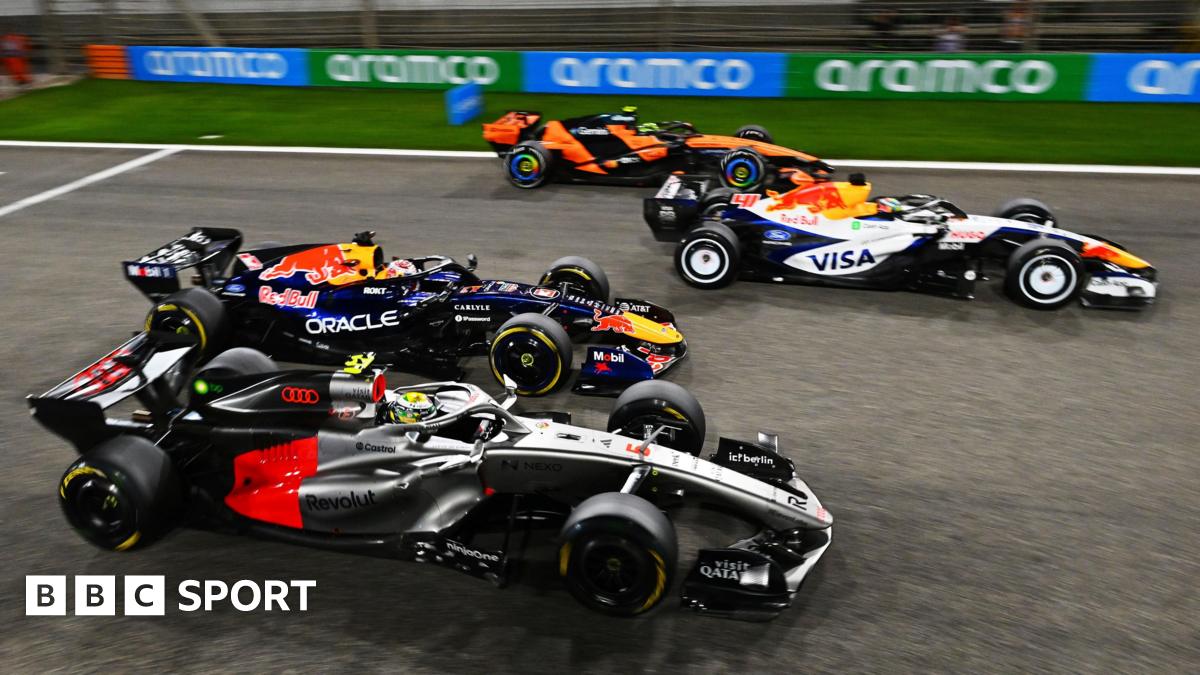
The 2026 Formula 1 season will mark the most substantial regulatory overhaul in the sport's history, introducing sweeping changes across multiple technical areas. These modifications aim to improve competition, sustainability, and technological innovation, fundamentally transforming how teams design and operate their cars.
One of the most notable changes involves the engines. The new power units will feature a more sustainable and efficient design, with a focus on hybrid technology and alternative fuels. The aim is to reduce carbon emissions significantly while maintaining high performance levels. These engines will incorporate advanced energy recovery systems, allowing for more efficient energy deployment during races.
Alongside engine modifications, the chassis and aerodynamics regulations will be revised to promote closer racing and overtaking opportunities. Teams will have to adapt to new aerodynamic rules that limit certain design elements, encouraging innovation within tighter constraints. The goal is to reduce the 'dirty air' effect, which currently hampers following cars and diminishes overtaking chances.
Tyres will also see changes, with new specifications designed to improve durability and performance consistency. These adjustments aim to create a more strategic racing environment, where tyre management becomes even more critical for race outcomes.
Fuel regulations are also undergoing a transformation, with a shift towards sustainable and renewable energy sources. The new fuels will be designed to produce fewer emissions and be compatible with the advanced hybrid systems in the new engines.
Overall, the 2026 regulations are set to redefine Formula 1, emphasizing sustainability, technological advancement, and closer competition. Teams, drivers, and fans alike will need to adapt to these changes, which promise to make the sport more exciting and environmentally responsible. As the season approaches, all eyes will be on how teams interpret and implement these new rules to gain a competitive edge.